
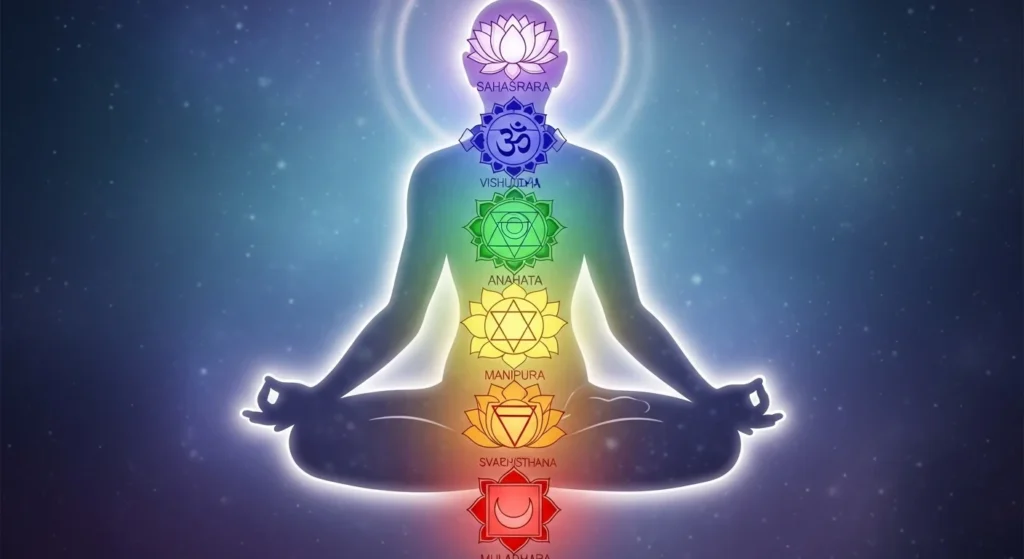
7 chakras meaning is more than just a wellness trend—it’s a roadmap to understanding your body, mind, and emotions. Whether you’re trying yoga for the first time, scrolling through meditation apps, or curious about energy flow, knowing what each chakra represents can make a real difference in how you feel and interact with the world.
From grounding yourself with the Root chakra to unlocking spiritual awareness through the Crown chakra, learning the 7 chakras meaning helps you identify blockages, boost energy, and find balance in everyday life. In this guide, we’ll break down each chakra clearly, share real-life examples, and help you navigate common misconceptions with ease.
What Does “7 Chakras” Mean?
The term 7 chakras comes from ancient Sanskrit texts and refers to seven energy centers in the human body. Each chakra corresponds to specific physical, emotional, and spiritual functions. Here’s a quick overview:
Root Chakra (Muladhara) – Located at the base of the spine, governs stability, security, and basic survival instincts.
Sacral Chakra (Svadhisthana) – Located below the navel, linked to creativity, pleasure, and relationships.
Solar Plexus Chakra (Manipura) – Located around the stomach, associated with personal power, confidence, and self-control.
Heart Chakra (Anahata) – Located in the center of the chest, connected to love, compassion, and emotional balance.
Throat Chakra (Vishuddha) – Located at the throat, responsible for communication, self-expression, and truth.
Third Eye Chakra (Ajna) – Located between the eyebrows, relates to intuition, insight, and wisdom.
Crown Chakra (Sahasrara) – Located at the top of the head, represents spiritual connection and consciousness.
Origins: The concept of chakras comes from ancient Indian spiritual traditions, especially yoga and Ayurveda. While Western culture often links them to self-help and meditation trends, the original texts detail chakras as crucial points of energy flow in the body.
How People Use the 7 Chakras in Real Life
Understanding the 7 chakras meaning isn’t just for meditation gurus—it’s relevant in daily life. People use chakras to:
Boost wellness routines: Yoga flows often focus on specific chakras to balance energy.
Improve emotional awareness: Recognizing which chakra is “blocked” can explain why you feel stuck, anxious, or unmotivated.
Guide spiritual practices: Meditation, visualization, and affirmations often target individual chakras.
Enhance creativity and focus: Certain chakras, like the Sacral and Solar Plexus, are linked to inspiration and motivation.
Where you might see discussions about chakras:
Instagram wellness posts
TikTok yoga and meditation trends
Meditation apps like Calm or Headspace
Forums and communities focused on holistic health
Tip: Using chakra terminology casually is fine among wellness circles, but overusing Sanskrit names in unrelated contexts can feel out of place.
Real-Life Examples of the 7 Chakras in Daily Life
Here’s how the 7 chakras meaning might play out in conversations or personal experiences:
Root Chakra Example:
“I’ve been feeling ungrounded lately, maybe my Root chakra is blocked.”
Explanation: The speaker feels unstable and is seeking grounding techniques.
Sacral Chakra Example:
“I can’t seem to get creative for my project; my Sacral chakra needs attention.”
Explanation: They associate creative blockages with Sacral energy imbalance.
Solar Plexus Example:
“I need confidence before this presentation. Time to work on my Solar Plexus chakra.”
Explanation: They focus on personal power and motivation.
Heart Chakra Example:
“After that argument, my Heart chakra feels tight.”
Explanation: Emotional discomfort is linked to the Heart chakra.
Throat Chakra Example:
“I’m struggling to speak up in meetings; my Throat chakra is off.”
Explanation: Difficulty communicating is tied to Throat chakra energy.
Third Eye Example:
“I have a hunch about this situation—my Third Eye chakra is strong today.”
Explanation: Intuition and insight are linked to the Third Eye.
Crown Chakra Example:
“Meditation helps me connect spiritually; my Crown chakra feels open.”
Explanation: Spiritual awareness is associated with the Crown chakra.
Common Mistakes & Misunderstandings
Even with widespread awareness, the 7 chakras meaning is often misunderstood:
Confusing chakras with medical issues: Chakras are energy-based, not substitutes for medical advice.
Overusing Sanskrit terms without context: Saying “Ajna chakra blocked” in casual chats may confuse people.
Misinterpreting “balance” too literally: Chakras aren’t always about perfection; imbalance can be temporary or subtle.
Assuming chakras are one-size-fits-all: Cultural, spiritual, and personal interpretations vary.
Related Slangs & Abbreviations
While not slang in the traditional sense, you might see chakra-related shorthand online:
Root, Sacral, Solar Plexus, Heart, Throat, Third Eye, Crown – Sometimes abbreviated as R, S, SP, H, T, TE, C in forums or wellness tracking apps.
Chakra balancing – Can be referenced in hashtags like #chakrahealing or #energywork.
Aura reading – Often discussed alongside chakras, referencing the energy field.
FAQs About 7 Chakras
1. What are the 7 chakras and their colors?
The 7 chakras are energy centers, each associated with a color: Root (red), Sacral (orange), Solar Plexus (yellow), Heart (green), Throat (blue), Third Eye (indigo), Crown (violet/white).
2. How do I know if my chakras are blocked?
Signs include emotional imbalance, lack of motivation, physical tension, or feeling disconnected. Meditation and mindfulness can help identify blockages.
3. Can I balance chakras at home?
Yes! Practices like yoga, meditation, breathing exercises, affirmations, and visualization can help. Crystals and aromatherapy are optional tools.
4. Are chakras scientific?
Chakras are part of spiritual and holistic traditions, not medical science. However, many find mental and emotional benefits from chakra-focused practices.
5. What’s the easiest way to remember the 7 chakras?
Use the acronym R–S–SP–H–T–TE–C or remember them from bottom to top: Root, Sacral, Solar Plexus, Heart, Throat, Third Eye, Crown.
Conclusion
The 7 chakras meaning goes beyond mystical ideas—it’s a practical framework to understand your energy, emotions, and overall well-being. From grounding yourself with the Root chakra to exploring spiritual awareness through the Crown, each energy center plays a unique role in daily life.
Even if the concept feels new or confusing, starting with small steps like mindful breathing, yoga, or simple meditation can help you experience the benefits firsthand. Understanding chakras doesn’t require perfect knowledge—it’s about curiosity, awareness, and self-care.
What’s your favorite chakra to focus on? Drop it in the comments!