
Tire Numbers Meaning on a Car
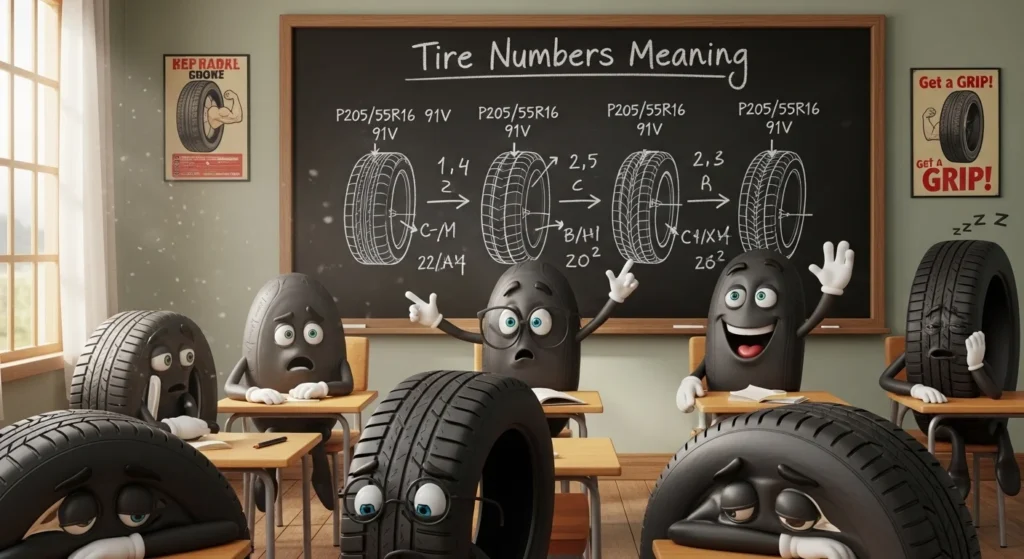
The tire numbers meaning on a car refers to the code printed on the sidewall of a tire, which explains its size, type, and performance specifications. A common example is something like “205/55R16,” and each part of this code has a specific meaning.
These numbers help drivers choose the right tires for safety, comfort, and performance. They indicate width, height ratio, construction type, and wheel diameter, making it easier to match tires correctly to a vehicle.
Tire Numbers Meaning in Inches
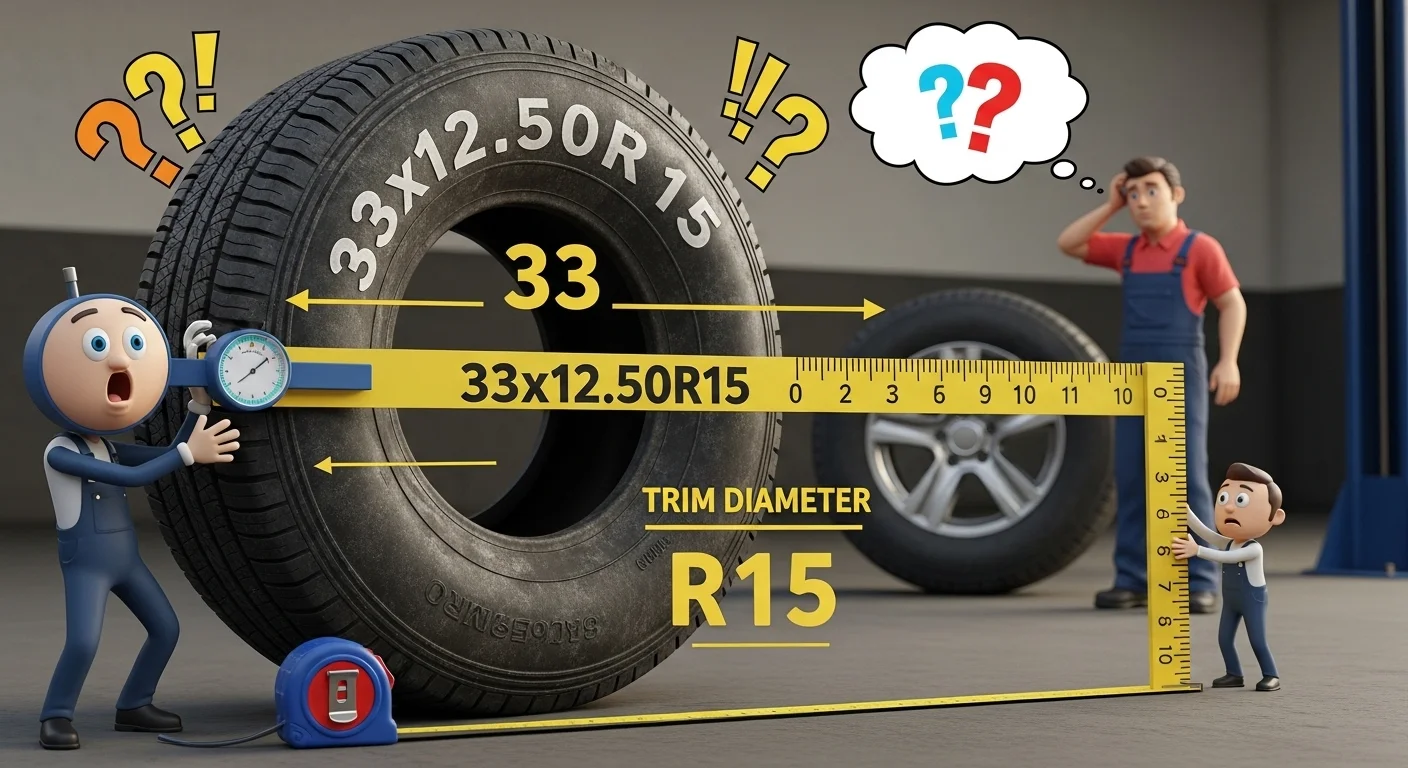
The tire numbers meaning in inches helps convert tire size details into a more familiar measurement system. While most tire codes use millimeters, certain parts like rim diameter are measured in inches.
For example, in “205/55R16,” the “16” represents a 16-inch wheel size. Understanding this helps drivers ensure the tire fits properly on the wheel rim.
Tire Aspect Ratio Meaning
The tire aspect ratio meaning refers to the height of the tire’s sidewall compared to its width, expressed as a percentage. It is the middle number in a tire code like 205/55R16.
In this example, “55” means the sidewall height is 55% of the tire’s width. A lower ratio usually means better handling, while a higher ratio offers more comfort.
Meaning of Tire Size Numbers Motorcycle
The meaning of tire size numbers motorcycle explains how motorcycle tires are labeled, such as “120/70-17.” Each number represents width, aspect ratio, and rim size.
For example, “120” is the width in millimeters, “70” is the sidewall height percentage, and “17” is the wheel diameter in inches. These measurements ensure proper fit and safe riding performance.
Does the Middle Number on Tires Matter
The does the middle number on tires matter question is very important because the middle number shows the tire’s aspect ratio. It directly affects ride comfort, handling, and stability.
A smaller middle number means a lower sidewall and sportier handling, while a larger number means a softer, more comfortable ride. So yes, it plays a key role in driving performance.
Letters on Tires Meaning Speed
The letters on tires meaning speed refers to the speed rating index found on tire sidewalls, such as “H,” “V,” or “T.” These letters show the maximum safe speed a tire can handle.
For example, an “H” rating means the tire is safe up to around 130 mph (210 km/h). This helps drivers choose tires suitable for their vehicle’s performance level.
Tire Codes Chart
The tire codes chart is a reference guide that explains all markings found on a tire sidewall. It includes width, aspect ratio, construction type, rim size, load index, and speed rating.
This chart helps drivers and mechanics quickly understand tire specifications. It ensures proper selection and improves safety, performance, and fuel efficiency.
Tire Width Meaning
The tire width meaning refers to the first number in a tire code, measured in millimeters, showing how wide the tire is from sidewall to sidewall.
For example, in “205/55R16,” the width is 205 mm. Wider tires usually provide better grip, while narrower tires may improve fuel efficiency and handling in certain conditions.
What Does “Tire Numbers” Mean?
Tire numbers are a standardized set of letters and numbers printed on the sidewall of every tire. They tell you the tire’s size, type, load capacity, speed rating, construction, and more.
In simple terms, tire numbers answer questions like:
Will this tire fit my car?
How much weight can it safely carry?
How fast can I drive with it?
Is it meant for all seasons or specific conditions?
When people search for “tire numbers meaning”, they’re usually trying to decode this common format:
P215/65R15 95H
Each part has a specific meaning, and once you understand it, reading tire numbers becomes surprisingly easy.
Breaking Down Tire Numbers (Step-by-Step)
Let’s fully decode a typical tire marking:
P215/65R15 95H
1. Tire Type Letter (P)
P = Passenger vehicle
LT = Light truck
ST = Special trailer
T = Temporary spare
Most cars, sedans, and small SUVs use P-rated tires.
Why it matters: Using the wrong tire type can affect handling, safety, and legality.
2. Tire Width (215)
This number is the tire’s width in millimeters, measured from sidewall to sidewall.
215 = 215 millimeters wide
Wider tires:
More grip
Better cornering
Slightly worse fuel economy
Narrower tires:
Better fuel efficiency
Often better in snow or rain
3. Aspect Ratio (65)
The aspect ratio is the height of the tire’s sidewall, shown as a percentage of the width.
65 means the sidewall height is 65% of 215 mm
Lower number (e.g., 40–50):
Sporty look
Stiffer ride
Better handling
Higher number (e.g., 65–75):
Smoother ride
Better for daily driving
4. Construction Type (R)
R = Radial (most modern tires)
D or B = Diagonal or bias-ply (rare today)
Radial tires last longer, handle better, and are standard on almost all vehicles in 2026.
5. Wheel Diameter (15)
This number tells you the wheel size in inches that the tire fits.
15 = fits a 15-inch wheel
Important:
This must match your wheel exactly. You can’t put a 16-inch tire on a 15-inch wheel.
6. Load Index (95)
The load index shows how much weight the tire can safely support.
95 = 1,521 lbs (690 kg) per tire
Multiply by four to estimate total vehicle load capacity.
Using a tire with a lower load index than recommended is unsafe and can cause tire failure.
7. Speed Rating (H)
The speed rating shows the maximum safe speed for the tire.
Common ratings:
S = 112 mph
T = 118 mph
H = 130 mph
V = 149 mph
W = 168 mph
Y = 186 mph
Important:
This doesn’t mean you should drive that fast—it means the tire is tested to handle it safely.
How People Use Tire Numbers in Real Life
Most drivers don’t think about tire numbers until they have to. Here’s when they suddenly become important:
Buying New Tires
You need to match:
Width
Aspect ratio
Wheel size
Load index
Speed rating (or higher)
Using the wrong numbers can cause:
Poor handling
Increased wear
Failed inspections
Voided warranties
Vehicle Inspections & Safety Checks
Many inspection failures come from:
Incorrect tire size
Load rating too low
Mismatched tires
Inspectors check tire numbers—not just tread depth.
Upgrading Wheels or Tires
People often ask:
“Can I go wider?”
“Can I use a lower profile tire?”
Yes—but only if you understand tire numbers and how they affect:
Speedometer accuracy
Suspension clearance
Ride comfort
Real-Life Examples of Tire Numbers Explained
Example 1
P205/55R16 91V
Passenger car tire
205 mm wide
55% sidewall height
Radial construction
Fits 16-inch wheel
Load index 91
Speed rating V (149 mph)
Common on: Sedans and compact cars
Example 2
LT265/70R17 121S
Light truck tire
265 mm wide
Tall sidewall
Fits 17-inch wheel
Heavy load capacity
Speed rating S
Common on: Pickups, SUVs, off-road vehicles
Example 3
T125/70D16
Temporary spare tire
Narrow width
Short-term use only
Lower speed and load limits
Never drive long distances on these.
DOT Code: Tire Age Matters Too
Beyond size, tires also have a DOT code, which shows when they were made.
Example:
DOT 3522
35 = week
22 = year (2022)
Most experts recommend replacing tires after 6 years, even if they look fine.
This is a crucial part of understanding tire numbers meaning that many drivers miss.
Common Mistakes & Misunderstandings
1. Assuming All Tire Numbers Are Interchangeable
They’re not. Even small changes can affect:
Braking
Fuel economy
Ride quality
2. Ignoring Load Index and Speed Rating
Many people only match the size.
This is risky.
Always match or exceed the manufacturer’s recommended ratings.
3. Mixing Tire Sizes
Different sizes on the same axle can:
Damage the drivetrain
Affect traction control
Cause uneven wear
4. Thinking Bigger Is Always Better
Oversized tires can:
Rub against the wheel well
Reduce acceleration
Throw off speed readings
Related Tire Terms You Should Know
If you’re learning tire numbers, these terms often come up too:
All-Season Tires – Designed for year-round use
Summer Tires – Better grip in warm weather
Winter Tires – Optimized for snow and ice
Run-Flat Tires – Can drive short distances after a puncture
Treadwear Rating – Indicates expected tire lifespan
These terms often appear alongside tire numbers and are worth understanding.
