
Miasma Meaning in Farsi
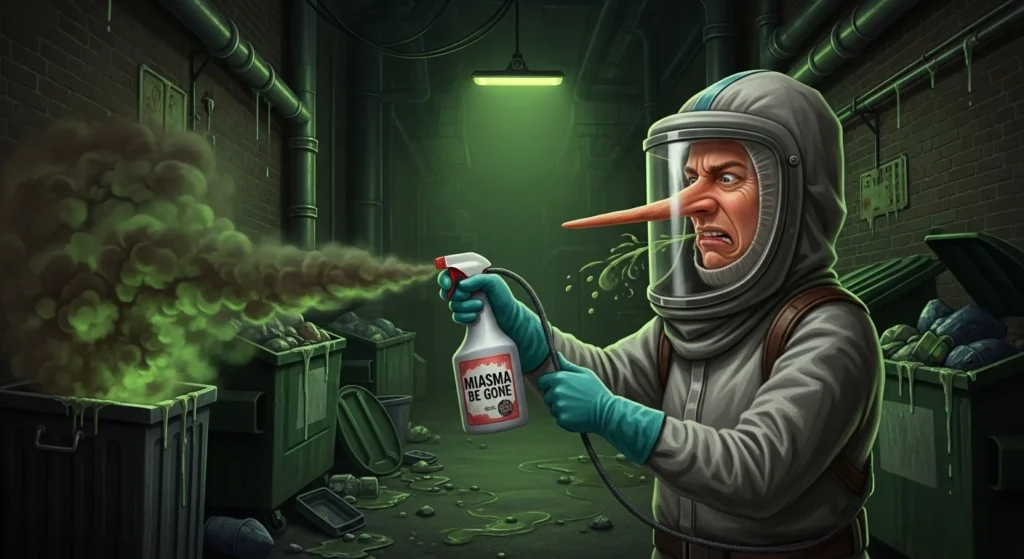
The miasma meaning in Farsi is commonly translated as گاز آلوده (gāz-e ālodeh) or هوای فاسد (havā-ye fāsed), meaning polluted or foul air. In older usage, it referred to harmful air believed to cause disease.
Today, the word is mostly used in historical or scientific discussions rather than everyday speech. It reflects an old belief that diseases were spread through bad smells or contaminated air.
Miasma Theory
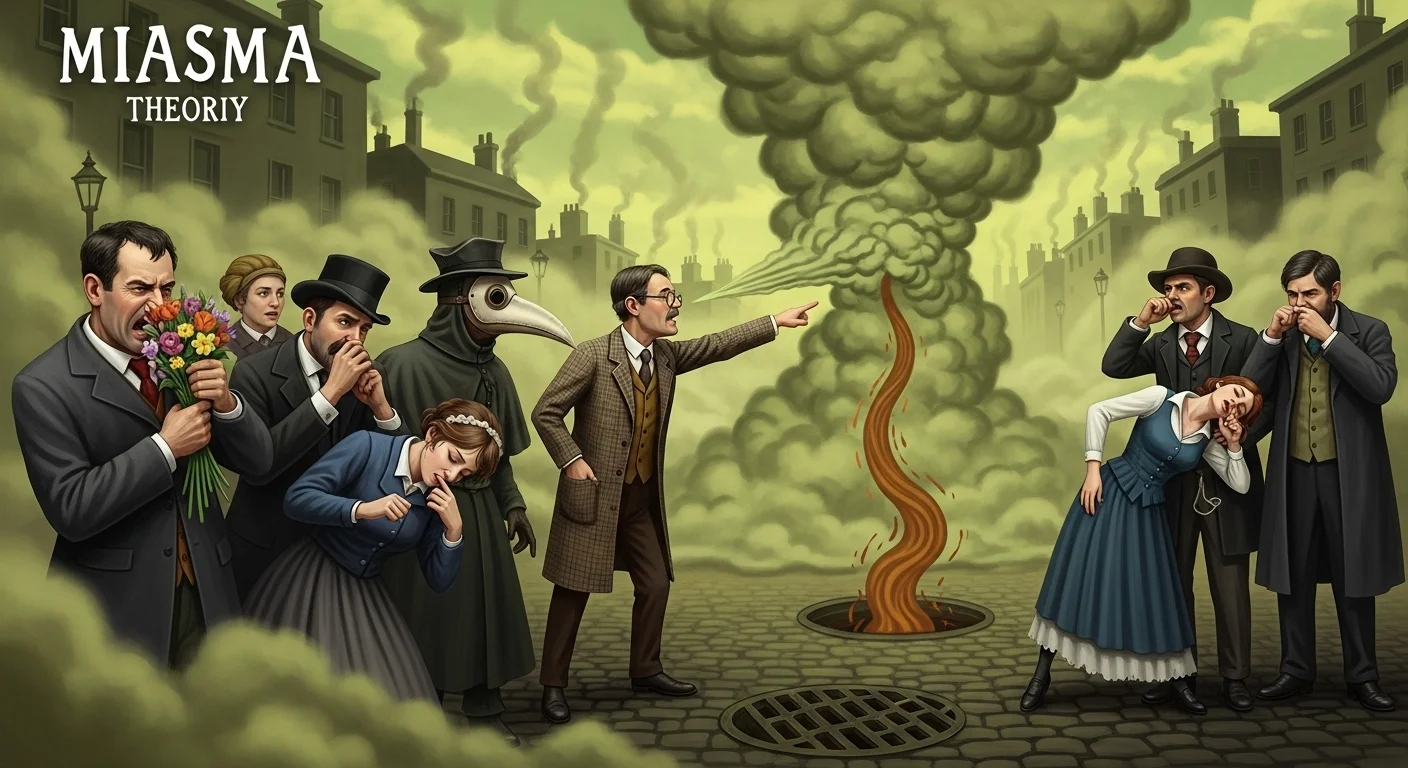
The miasma theory was an early medical belief that diseases were caused by “bad air” or harmful vapors rising from decaying matter. This idea was widely accepted before modern germ theory was developed.
For example, people once believed that cholera or plague spread through foul smells in cities. Although incorrect by modern science, miasma theory played an important role in improving sanitation and public health awareness.
Miasma Meaning Greek
The miasma meaning Greek comes from the ancient Greek word “μίασμα” (míasma), which means pollution or stain. In Greek culture, it often referred to spiritual or physical impurity.
It was used to describe something that was morally or ritually unclean. Over time, this concept influenced early medical and philosophical thinking about disease and contamination.
Miasma Pronunciation
The miasma pronunciation is commonly said as “my-az-muh.” The stress is usually placed on the second syllable.
This pronunciation is used in both scientific and literary contexts. Understanding it helps in correctly using the term in academic discussions or reading historical texts.
Miasma Meaning Medical
The miasma meaning medical refers to an outdated belief that diseases were caused by poisonous or polluted air. Before germ theory, doctors believed that inhaling bad air could make people sick.
Although this theory is no longer used in modern medicine, it influenced early public health practices like cleaning streets and improving ventilation.
Miasma Meaning in Literature
The miasma meaning in literature is often used symbolically to describe a dark, oppressive, or unhealthy atmosphere. Writers use it to create a mood of fear, decay, or moral corruption.
For example, a “miasma of fear” might describe a situation filled with tension and negativity. In literature, it is a powerful metaphor rather than a scientific term.
Miasma Meaning in Chinese
The miasma meaning in Chinese is often translated as “瘴气” (zhàngqì), which refers to poisonous or unhealthy air believed in ancient times to cause illness.
In historical Chinese medicine and geography, it was associated with humid, tropical regions thought to be dangerous. Today, it is mainly used in historical or cultural contexts.
Miasma Etymology
The miasma etymology traces back to the ancient Greek word “μίασμα,” meaning pollution or stain. It originally referred to something that contaminates the body or soul.
Over time, the word evolved from a spiritual concept of impurity to a scientific theory about disease-causing air. Today, it is mostly used in historical, literary, or metaphorical contexts.
What Does “Miasma” Mean in Chat or Text?
At its core, miasma means:
A thick, unpleasant atmosphere—either literal (bad air, fumes) or figurative (a negative mood, tension, or emotional heaviness).
Simple definition
Literal meaning: A foul-smelling or unhealthy air, fog, or vapor
Modern meaning: A feeling of negativity, dread, awkwardness, or emotional heaviness surrounding a situation
In chat or text, miasma is almost always used metaphorically, not scientifically.
Example meanings by context
Emotional: A miasma of sadness in the room
Social: Awkward vibes after an argument
Gaming/fantasy: A dark aura, poison cloud, or cursed energy
Commentary: Toxic workplace or online environment
Brief origin & history
The word miasma comes from ancient Greek míasma, meaning “pollution” or “stain.”
Historically, people believed diseases were caused by bad air (miasma theory)—long before germs were discovered.
While the science is outdated, the word survived because it’s powerful and descriptive.
That’s why miasma still appears in modern chat, writing, and pop culture.
How People Use “Miasma” in Real Conversations
Although miasma isn’t casual slang, it’s often used by:
Gamers
Writers
History fans
Fantasy and anime communities
People being dramatic or expressive online
Common platforms where “miasma” appears
Text messages
Discord servers
Reddit threads
RPG and fantasy game chats
Twitter/X commentary
Storytelling forums
Meme captions
When it feels natural
Using miasma works best when:
Describing vibes, tension, or mood
Talking about dark or toxic environments
Writing creatively or humorously
Referring to game mechanics or fantasy lore
When it feels awkward
It may feel out of place if:
You’re having a super casual chat
The other person isn’t familiar with expressive language
You use it without context
Pro tip:
If you wouldn’t say it out loud in conversation, explain it—or choose a simpler word.
Real-Life Examples of “Miasma” in Text Messages
Here’s how miasma in chat actually looks, plus what each example means.
Example 1
Text:
“There was a weird miasma in the room after that argument.”
Meaning:
The atmosphere felt tense, awkward, and emotionally heavy.
Example 2
Text:
“This Discord server has turned into a miasma of negativity.”
Meaning:
The community feels toxic or unpleasant lately.
Example 3
Text:
“That boss fight covers the arena in miasma—don’t stand still.”
Meaning:
In gaming, miasma refers to a harmful cloud or status effect.
Example 4
Text:
“Finals week has me living in a miasma of stress.”
Meaning:
The person feels overwhelmed and mentally exhausted.
Example 5 (humorous)
Text:
“My room after skipping laundry for two weeks is a literal miasma.”
Meaning:
A joking way to say something smells bad or feels gross.
Common Mistakes & Misunderstandings
Despite sounding dramatic, miasma is often misunderstood.
1. Thinking it’s slang-only
Miasma is a real word, not internet-made slang. It’s just reused creatively online.
2. Assuming it’s always literal
In modern chat:
❌ Rarely means actual air pollution
✅ Usually means emotional or social “vibes”
3. Using it too casually
Dropping “miasma” into light conversation can sound:
Overly serious
Pretentious
Confusing
4. Tone confusion
Because the word sounds dark, it can:
Be misread as dramatic
Sound sarcastic when it’s not
Feel heavier than intended
Context is everything.
Related Slangs & Abbreviations
If you’re learning miasma meaning slang, these related terms often appear in similar situations:
Bad vibes – Casual way to describe negative energy
Toxic – Harmful or unhealthy environment or behavior
Dark aura – Often used in gaming or anime fandoms
Negative energy – Emotional heaviness
Awkward silence – Social tension
Doomscrolling – Emotional negativity online