
What Does Kuudere Mean?
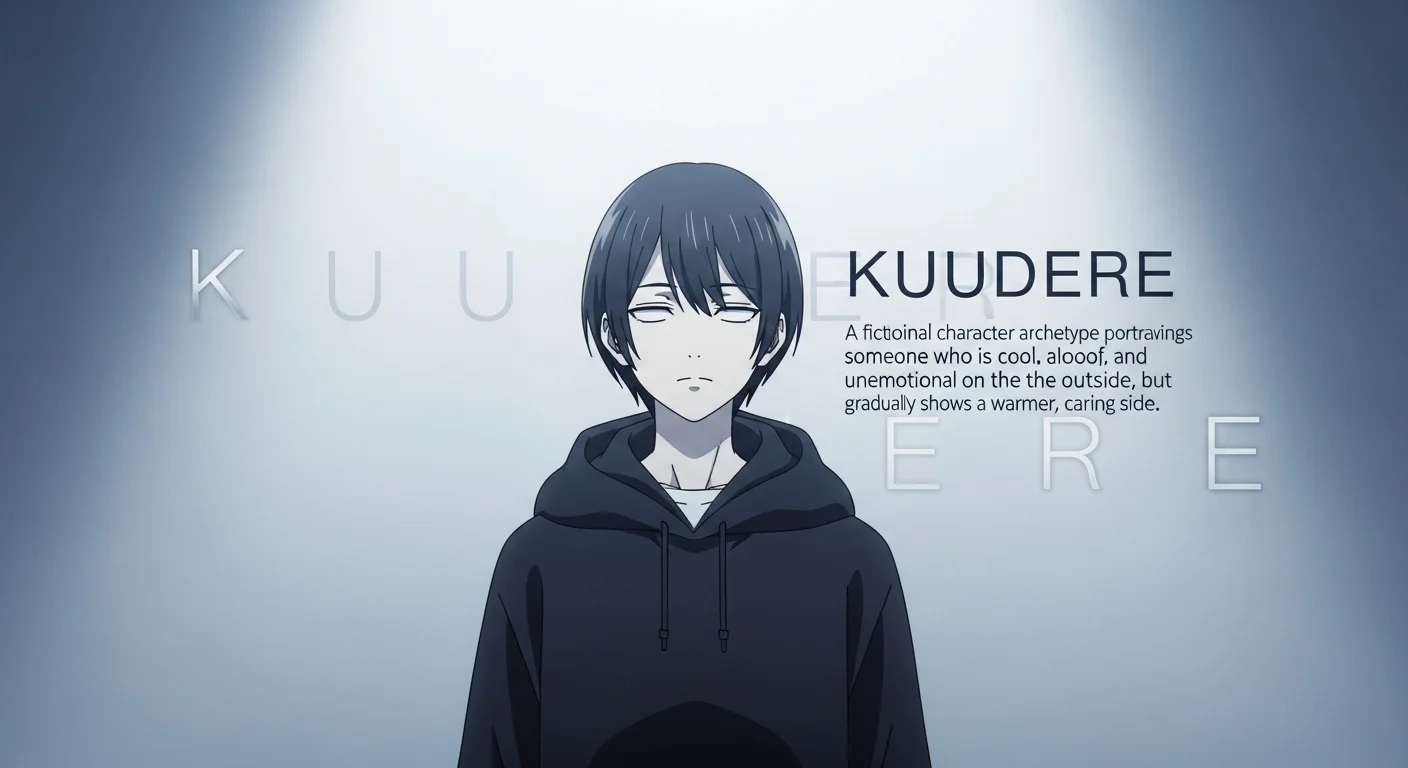
Kuudere meaning:
A kuudere is a character who is:
- Calm
- Emotionless on the outside
- Quiet and cool
- But secretly has emotions inside
Simple explanation:
They don’t show feelings easily, even if they care deeply.
Example behavior:
- Speaks in a flat tone
- Rarely smiles
- Acts cold but is actually kind
👉 Kuudere = cool + emotionally reserved
What Does Deredere Mean?
Deredere meaning:
A deredere character is:
- Very loving
- Sweet
- Always cheerful
- Open with emotions
Simple explanation:
They are “completely in love and expressive all the time.”
Example behavior:
- Always smiling
- Always kind
- Always affectionate
👉 Deredere = pure love + happiness
Dandere Meaning in English
Dandere meaning:
A dandere is:
- Very shy
- Quiet
- Introverted
- Speaks little or not at all
Simple English meaning:
Someone who is silent and shy but may open up over time.
Example behavior:
- Avoids talking
- Nervous in social situations
- Becomes expressive only with close friends
👉 Dandere = shy + silent personality
Tsundere, Yandere, Kuudere, Dandere Meaning Explained Together
These are the most popular anime “dere” types:
1. Tsundere
- Acts rude or cold
- Actually cares deeply inside
- Example: “I don’t like you… b-baka!”
2. Yandere
- Very loving at first
- Becomes obsessive or dangerous
- Extreme emotional attachment
3. Kuudere
- Emotionally calm
- Looks cold but cares deeply
4. Dandere
- Shy and quiet
- Opens up slowly over time
Simple comparison:
- Tsundere = love + attitude
- Yandere = love + obsession
- Kuudere = love hidden under calmness
- Dandere = love hidden under shyness
Dandere Characters (Examples in Anime Style)
Common traits of dandere characters:
- Quiet personality
- Avoids attention
- Speaks softly or minimally
- Becomes expressive later
Typical dandere behavior:
- Stays in background
- Nervous around people
- Slowly builds confidence
👉 Dandere characters are often fan favorites because of their emotional growth.
Dandere vs Kuudere
This is a very common confusion.
Dandere:
- Shy
- Quiet because of nervousness
- Opens up slowly
Kuudere:
- Calm and composed
- Not shy, just emotionally reserved
- Naturally cold expression
Simple difference:
- Dandere = shy inside
- Kuudere = calm outside
Dandere Pronunciation
Dandere pronunciation:
👉 “Dan-deh-reh”
Breakdown:
- Dan = “dan”
- de = “deh”
- re = “reh”
So it sounds like:
👉 dan-deh-reh
Hajidere Meaning
Hajidere meaning:
A hajidere character is:
- Easily embarrassed
- Shy about love
- Blushes a lot
- Awkward in romantic situations
Simple explanation:
Someone who gets shy or embarrassed when talking about love.
Example behavior:
- Turns red easily
- Avoids romantic topics
- Nervous around crush
👉 Hajidere = embarrassment + love shyness
Quick Summary of All “Dere” Types
- Kuudere: calm, emotionless outside
- Deredere: sweet, loving, expressive
- Dandere: shy, quiet, introverted
- Tsundere: rude but secretly loving
- Yandere: loving but obsessive
- Hajidere: easily embarrassed in love
What Does “Dandere” Mean in Chat or Text?
Dandere is a slang term used mainly in anime, manga, and online fandom culture to describe a person or character who is quiet, shy, introverted, and emotionally reserved — but kind, caring, and expressive once they feel safe.
At its core, dandere meaning in chat refers to someone who:
Doesn’t talk much at first
Seems distant or withdrawn
Is gentle rather than cold
Opens up deeply with people they trust
Unlike people who are silent because they dislike others, a dandere is quiet due to shyness, anxiety, or emotional sensitivity, not arrogance.
Different Meanings Based on Context
The meaning stays mostly consistent, but context changes how it’s used:
Anime/Manga: A specific character archetype
Gaming: A quiet teammate who’s supportive but not loud
Chat/Texting: Someone who observes more than they speak
Social media: A personality label, often self-described
Brief Origin & History of Dandere
The word dandere comes from Japanese pop culture and is a blend of:
“Danmari” (silent or quiet)
“Dere dere” (lovey-dovey or affectionate)
Together, they describe someone who starts off silent but becomes warm and affectionate once emotionally comfortable. The term became popular in English-speaking communities through anime forums, Tumblr, Reddit, Discord, and TikTok fandom spaces.
How People Use “Dandere” in Real Conversations
Dandere in chat isn’t random slang — it’s usually used intentionally, especially by people familiar with anime or fandom culture.
Platforms Where “Dandere” Is Common
You’ll most often see it on:
Discord servers
Reddit threads
Anime forums
TikTok comments
Twitter/X fandom posts
Dating apps with anime fans
How It’s Used Naturally
People use “dandere” to:
Describe a fictional character
Describe themselves
Compare personality types
“She’s a total dandere around new people.”
“That character looks scary but he’s actually a dandere.”
“I’m quiet IRL, kind of dandere honestly.”
When It’s Appropriate vs Awkward
Appropriate when:
Talking about anime or manga
In fandom or gamer spaces
Describing introverted personalities
Among people familiar with internet slang
Awkward when:
Used in professional settings
Talking to people unfamiliar with anime culture
Used as a diagnosis instead of a descriptor
In everyday life, it’s better seen as a personality shorthand, not a label to force onto someone.
Real-Life Examples of “Dandere” in Text Messages
Below are realistic, chat-style examples showing what does dandere mean in text and how it’s actually used.
Example 1
Text:
“Why doesn’t she talk much?”
“She’s not rude, she’s just dandere.”
Explanation:
This clarifies that silence comes from shyness, not dislike.
Example 2
Text:
“That anime guy looks cold.”
“Yeah but he’s a dandere, wait a few episodes.”
Explanation:
Suggests emotional depth appears later.
Example 3
Text:
“I don’t talk much in group chats.”
“That’s fine, you’re kind of dandere.”
Explanation:
Used as a gentle, validating description.
Example 4
Text:
“She never speaks on voice chat.”
“She’s dandere, not antisocial.”
Explanation:
Separates shyness from social avoidance.
Example 5
Text:
“He opens up one-on-one though.”
“Classic dandere behavior.”
Explanation:
Describes selective emotional openness.
Common Mistakes & Misunderstandings
Even though the term is popular, people still misuse it often.
Confusing “Dandere” With American Sign Language
A big mistake is confusing dandere with ASL or thinking it’s related to real-world communication disorders. It’s not.
Dandere is a personality trope, not a medical or linguistic condition.
Mixing It Up With Other Anime Archetypes
People often confuse dandere with:
Kuudere (emotionally cold, calm)
Yandere (obsessive, unstable)
Tsundere (harsh outside, soft inside)
A dandere is:
Quiet, not cold
Gentle, not aggressive
Shy, not emotionally distant
Misreading Tone in Text
Because text lacks tone, calling someone dandere can:
Sound dismissive if used wrongly
Feel stereotyping if forced
Be misunderstood by non-fans
Always consider your audience.
Related Slangs & Abbreviations
If you’re learning dandere meaning slang, these related terms often appear nearby.
Tsundere – Acts mean but secretly cares
Kuudere – Calm, emotionally distant, logical
Yandere – Loving to the point of obsession
Deredere – Openly affectionate and cheerful
Introvert – Real-life personality trait (not slang)
Why “Dandere” Is Still Relevant in 2026
Despite being an older fandom term, dandere is still widely used because:
Anime and manga keep growing globally
Personality-based labels are popular online
People want soft, non-judgmental descriptors
Quiet personalities are being normalized
In 2026, dandere is often used positively, especially in mental-health-aware spaces where silence isn’t seen as a flaw.
Is “Dandere” a Compliment or an Insult?
Most of the time, it’s a compliment.
It implies:
Emotional depth
Gentleness
Loyalty
Thoughtfulness
However, tone matters. If used sarcastically or dismissively, it can feel minimizing. Context always decides meaning.
How to Use “Dandere” Correctly
If you want to use it naturally:
Use it descriptively, not judgmentally
Avoid labeling real people without consent
Keep it casual and context-aware
Don’t overuse it outside fandom spaces
Think of it as internet shorthand, not a personality diagnosis.
