
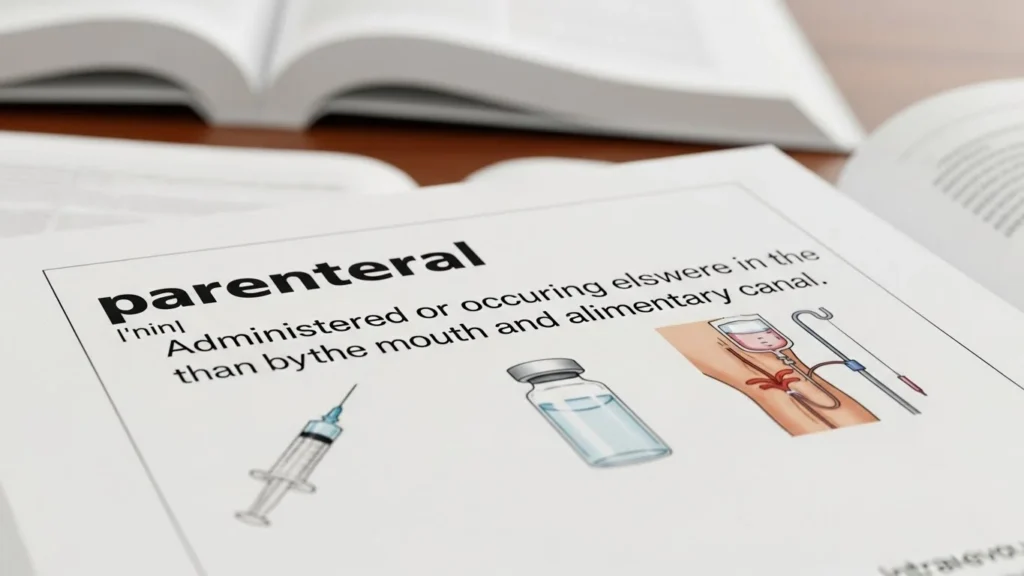
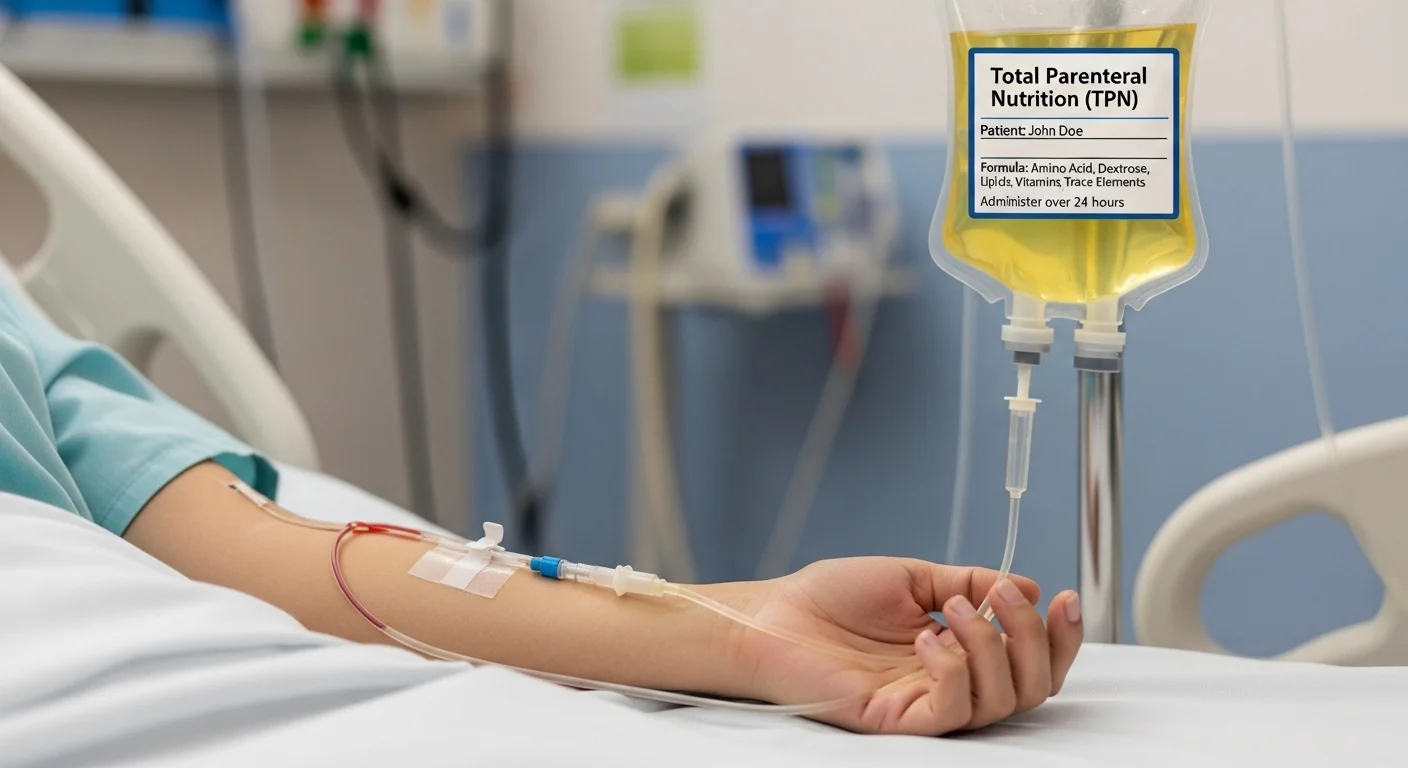
Parenteral meaning refers to the method of administering medications, nutrients, or fluids directly into the body, bypassing the digestive system. Common in medical practice, parenteral routes include IV, intramuscular, and subcutaneous injections, ensuring rapid absorption and precise dosing. Understanding parenteral methods is essential for healthcare professionals and patients alike for safe and effective treatment.
Beyond medicine, the parenteral meaning also covers nursing responsibilities, parenteral nutrition, and pharmacy applications. From injections to IV therapy, parenteral techniques are critical in hospitals, clinics, and emergency care. This guide explores the parenteral meaning, examples, and applications in a clear, reader-friendly way, helping you understand its importance in modern healthcare.
Parenteral Route
The parenteral route refers to the method of delivering medications or nutrients directly into the body bypassing the digestive system, usually via injections or intravenous (IV) administration. This route is commonly used when oral delivery is not feasible due to vomiting, unconsciousness, or when rapid drug absorption is required. Examples include intravenous (IV), intramuscular (IM), and subcutaneous (SC) injections. The parenteral route ensures that medications act quickly and effectively, making it a vital approach in emergency care, hospitals, and clinical treatments.
Parenteral Meaning Medical
The parenteral meaning medical describes a mode of medication or nutrition administration that bypasses the gastrointestinal tract. In medicine, parenteral delivery is essential for patients who cannot take drugs orally, need immediate therapeutic effects, or require precise dosing. This term is widely used in medical practice to refer to injections, IV fluids, and other non-oral methods that deliver medications efficiently into the bloodstream or tissues.
Parenteral Definition Pharmacy
The parenteral definition pharmacy refers to any drug formulation or solution designed to be administered by a route other than the digestive system. In pharmacy, parenteral medications include injectable antibiotics, vaccines, intravenous fluids, and other sterile solutions. Pharmacists focus on ensuring sterility, stability, and proper dosage of parenteral drugs to prevent contamination and provide safe and effective patient care.
Parenteral Meaning Examples
The parenteral meaning examples include various forms of non-oral drug delivery. Common examples are:
Intravenous (IV) injections for rapid drug absorption
Intramuscular (IM) injections like vaccines
Subcutaneous (SC) injections for insulin or hormonal therapies
Intrathecal injections for spinal administration
These examples illustrate how the parenteral route can be adapted to deliver medications efficiently, safely, and effectively for different medical needs.
Parenteral Meaning Injection
The parenteral meaning injection specifically refers to administering medication directly into the body via needles, bypassing the digestive system. This includes intravenous, intramuscular, and subcutaneous injections, which are commonly used in hospitals, clinics, and emergency settings. Parenteral injections allow for rapid drug absorption, accurate dosing, and effectiveness even in patients who cannot take oral medications.

Parenteral Meaning Nutrition
The parenteral meaning nutrition is associated with parenteral nutrition (PN), a method of providing nutrients directly into the bloodstream, bypassing the digestive system. Parenteral nutrition is used for patients who cannot eat, absorb, or digest food normally due to medical conditions such as severe gastrointestinal disorders or post-surgery recovery. PN delivers essential nutrients, electrolytes, and calories intravenously, ensuring proper growth, energy, and healing.
Parenteral Meaning Nursing
The parenteral meaning nursing relates to the responsibilities of nurses in administering medications, fluids, or nutrition using parenteral methods. Nurses are trained to deliver IV therapy, injections, and parenteral nutrition safely, monitoring for complications such as infections, allergic reactions, or incorrect dosing. Understanding parenteral techniques is essential in nursing practice to provide effective patient care and ensure treatment safety.
Parenteral Meaning IV
The parenteral meaning IV specifically refers to intravenous administration, a method of delivering medications or fluids directly into a vein. IV therapy is widely used for rapid drug delivery, hydration, blood transfusions, and parenteral nutrition. This method ensures immediate absorption and precise control over dosage, making it one of the most effective parenteral routes in medical treatment and hospital care.
What Does “Parenteral” Mean in Chat or Text?
The term parenteral primarily comes from medicine. At its core, it refers to administering substances, usually nutrients or medications, bypassing the digestive system. That means instead of swallowing a pill or eating food, the substance goes directly into your bloodstream, muscles, or veins.
Key Meanings:
Medical Use:
Intravenous (IV) injections
Intramuscular (IM) injections
Subcutaneous (under the skin) injections
Nutrition:
Total parenteral nutrition (TPN) is a method for feeding patients who can’t eat normally.
Informal/Chat Use:
Rarely, people might jokingly use “parenteral” online to describe anything injected directly or given “quickly,” like an energy shot or caffeine boost.
Origin:
Derived from Greek: para (beside) + enteron (intestine)
Originally a strictly medical term, but its meaning sometimes pops up in forums or casual discussions about injections, vitamins, or treatments.
How People Use “Parenteral” in Real Conversations
Platforms Where You’ll See It:
Medical forums: Discussing IV therapy or TPN
Social media: Health-focused accounts, nutrition discussions
Texting/Discord/Reddit: Occasionally used humorously among health enthusiasts
When It’s Appropriate vs. Awkward:
Appropriate: Talking about hospital procedures, vitamins, or supplements
Awkward: Casual everyday chat where simpler words like “injection” or “IV” would be clearer
Pro Tip: If your audience isn’t medically inclined, pair the word with a brief explanation—“parenteral, meaning an IV injection”—to avoid confusion.
Real-Life Examples of “Parenteral” in Text Messages
Example 1:
Friend: “I started parenteral nutrition last week.”
Explanation: They are receiving nutrients through a vein rather than eating normally.
Example 2:
Discord chat: “That energy drink is basically parenteral caffeine.”
Explanation: Used humorously to suggest the caffeine hits your system fast, bypassing normal digestion.
Example 3:
Instagram comment: “My vitamin B12 shots are parenteral.”
Explanation: Referring to injections instead of oral supplements.
Example 4:
Forum post: “Parenteral antibiotics saved my infection.”
Explanation: The antibiotics were given via injection or IV, not as a pill.
Common Mistakes & Misunderstandings
Confusing it with oral medication: Parenteral specifically bypasses the gut, so swallowing pills is not parenteral.
Overusing in casual chat: Using “parenteral” in every health-related conversation can sound overly technical.
Misinterpreting tone: If used jokingly online, some readers might think it’s serious medical advice.
Mixing with topical or inhaled forms: Only injections or IVs are parenteral, not creams or sprays.
Related Slangs & Abbreviations
IV – Intravenous; most common type of parenteral administration
IM – Intramuscular; injected into a muscle
TPN – Total parenteral nutrition; all nutrients given via IV
SubQ – Subcutaneous; under the skin injection
SL – Sublingual; not parenteral, goes under the tongue instead
These terms often appear in medical forums, Reddit discussions, and sometimes even casual chat when people are joking about injections or energy boosts.
FAQs
What is parenteral in simple words?
Parenteral means giving medicine or nutrients directly into the body, usually through a vein or injection, instead of swallowing.
Is parenteral only used in hospitals?
Mostly, yes. It’s commonly used for IV fluids, injections, or total parenteral nutrition, but it can appear in health discussions online.
Can I call an oral pill parenteral?
No. Oral pills go through your digestive system. Parenteral specifically bypasses the gut.
What does parenteral mean in chat or texting?
Occasionally used humorously to describe something fast-acting like an energy shot or vitamin injection.
Are there abbreviations for parenteral?
Yes, common abbreviations include IV, IM, SubQ, and TPN. These are often used in medical notes or online discussions.
Conclusion
Understanding the meaning of parenteral helps you decode medical discussions, text chats about vitamins, and health forums. It’s all about substances entering your body without going through the digestive system. While it’s mostly a medical term, it occasionally pops up in casual conversations, so knowing its definition makes you sound informed and confident.
Whether you’re navigating a hospital, reading a forum, or texting friends about injections, you now have a clear understanding.
What’s your favorite chat abbreviation? Drop it in the comments!