
Pink carnations
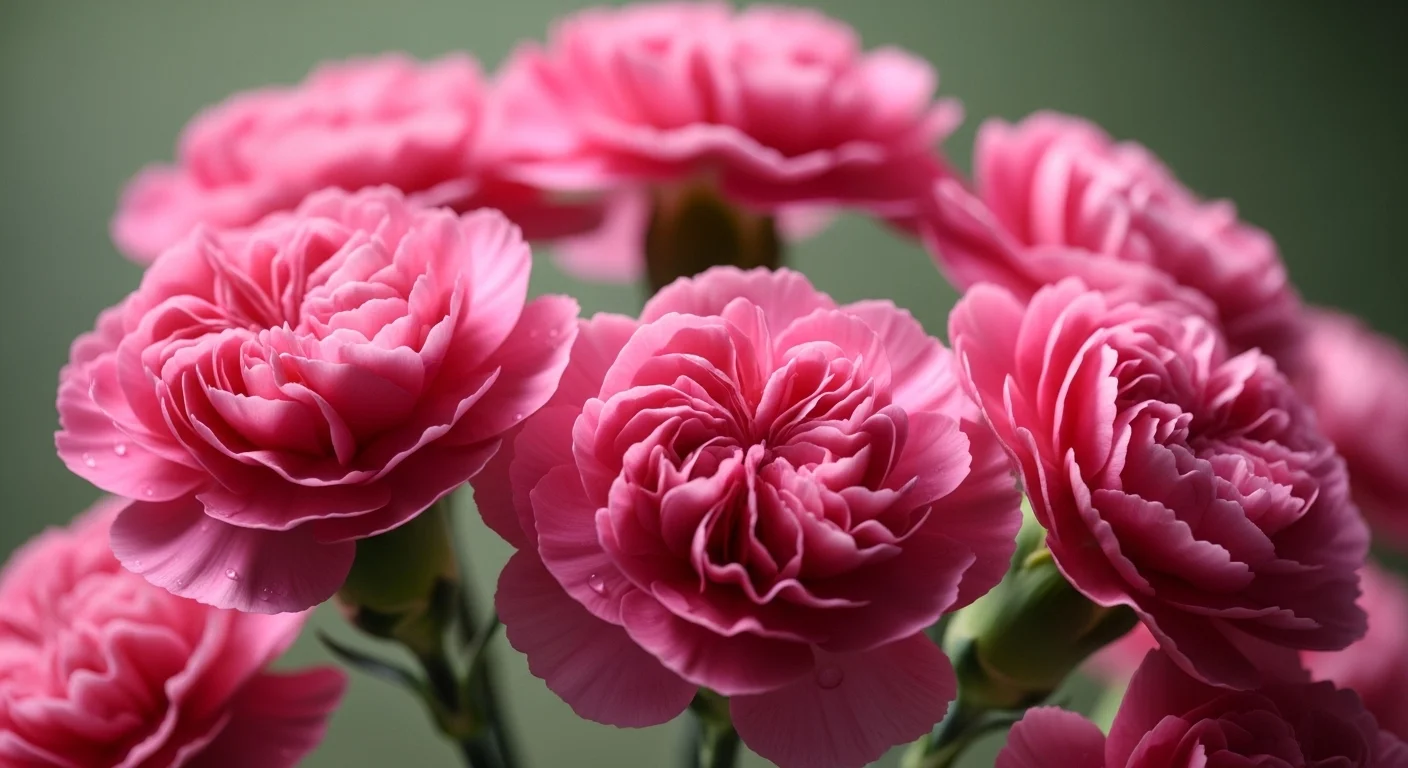
Pink carnations are one of the most popular and meaningful flowers in the carnation family. They are widely known for their soft color, delicate petals, and strong emotional symbolism. In many cultures, pink carnations are associated with love, gratitude, and admiration, making them a common choice for gifts on Mother’s Day and special occasions.
Historically, pink carnations are believed to represent a mother’s undying love, which is why they are often used in celebrations honoring mothers. Their gentle color also symbolizes affection that is warm but not overly intense, making them perfect for expressing appreciation and care.
In everyday use, people gift pink carnations to say “thank you” or “I appreciate you” in a heartfelt way. Their beauty and meaning make them one of the most emotionally expressive flowers, often used in both romantic and family settings.
Pink carnation meaning
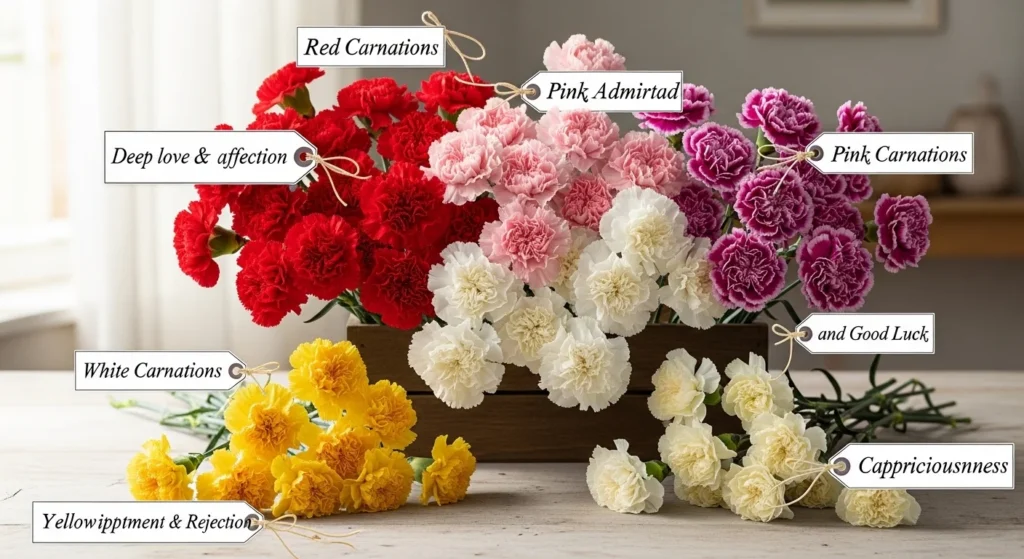
Pink carnation meaning is closely connected to love, gratitude, and admiration. Unlike red carnations, which are strongly romantic, pink carnations express a softer and more gentle type of affection. They are often used to show appreciation for someone who has made a positive impact in your life.
In traditional symbolism, pink carnations are also linked to a mother’s love. Many people gift them on Mother’s Day to represent gratitude and respect. Light pink carnations can symbolize admiration, while darker shades may represent deeper feelings of appreciation.
Overall, pink carnations are a beautiful way to express emotional warmth without being too intense, making them suitable for friends, family, and loved ones.
Red carnations meaning
Red carnations meaning is strongly associated with love, passion, and deep admiration. These flowers are often seen as a symbol of romantic feelings and are commonly given on occasions like Valentine’s Day.
In addition to romance, red carnations can also represent respect and devotion. A bright red carnation often expresses strong emotions such as “I love you deeply,” while darker red shades can symbolize admiration and deep affection.
Because of their bold color, red carnations are powerful emotional flowers used to express heartfelt feelings that are intense and meaningful.
White carnation meaning
White carnation meaning represents purity, innocence, and remembrance. These flowers are often used in ceremonies, weddings, and memorials due to their clean and peaceful appearance.
In many cultures, white carnations are also associated with respect and good luck. They are commonly used in religious events and funerals to honor loved ones and express sympathy.
Their soft and calm presence makes white carnations a symbol of peace, making them suitable for both joyful and solemn occasions.
Carnations meaning in love
Carnations meaning in love varies depending on their color, but overall, they symbolize affection, admiration, and emotional connection. Red carnations show passionate love, while pink ones represent gentle and caring affection.
In romantic relationships, carnations are often given as a way to express lasting feelings and emotional stability. Unlike roses, carnations are seen as a more subtle and long-lasting symbol of love.
This makes them a meaningful choice for expressing love in both new and long-term relationships, where emotional depth matters more than intensity alone.
Yellow carnations meaning
Yellow carnations meaning is often associated with friendship, happiness, and positive energy. However, in some traditions, yellow carnations can also symbolize disappointment or rejection, depending on the context.
In modern usage, they are mostly seen as cheerful flowers that bring joy and warmth. People often gift yellow carnations to friends to celebrate happiness, success, or encouragement.
Their bright color makes them a symbol of optimism, making them perfect for uplifting someone’s mood or celebrating friendship.
Carnations meaning death
Carnations meaning death is linked to remembrance, mourning, and honoring those who have passed away. White carnations are most commonly used in funerals and memorial services.
These flowers represent respect for the deceased and are often placed on graves or used in sympathy arrangements. In some traditions, carnations are believed to carry messages of eternal love and remembrance.
Because of this meaning, carnations play an important role in expressing grief while also celebrating the memory of loved ones.
Blue carnations meaning
Blue carnations meaning is less traditional because blue carnations are not naturally found in nature and are usually created through dyeing. As a result, their meaning is more symbolic and creative.
Blue carnations are often associated with mystery, uniqueness, and imagination. They can represent something rare or unattainable, making them popular in artistic or decorative arrangements.
In modern symbolism, blue carnations may also express calmness and emotional depth, giving them a special place among more traditional flower meanings.
What Does “Carnations Meaning” Represent?
Carnations meaning varies depending on context, culture, and color. At their core, carnations symbolize love, fascination, and distinction, making them a versatile choice for personal and formal occasions.
Historical background: Carnations are believed to have originated in the Mediterranean region over 2,000 years ago. They have been cultivated in gardens across Europe and Asia for centuries, often appearing in art, literature, and royal ceremonies.
General symbolism: Carnations often convey emotions such as admiration, love, and gratitude. They’re one of the few flowers whose meanings can change dramatically depending on their color.
Modern context: Today, carnations are widely used in bouquets, corsages, and decorations for weddings, Mother’s Day, and memorial services.
How People Use Carnations in Real Life
Carnations aren’t just pretty—they’re practical for communicating subtle messages. Here’s how they’re commonly used:
Occasions: Weddings, anniversaries, Mother’s Day, funerals, and graduations.
Social gifting: Sending carnations in a bouquet can convey admiration or sympathy without using words.
Home décor: Their long-lasting blooms and variety of colors make them popular in floral arrangements and DIY decorations.
Cultural significance: In some countries, carnations are used in festivals and traditional ceremonies. For example, red carnations often symbolize love in Western cultures, while white can indicate remembrance.
When Carnations Are Appropriate vs. Awkward
Appropriate: Expressing admiration, congratulating someone, celebrating milestones, or sending condolences.
Awkward: Giving carnations as a romantic gesture without knowing color symbolism; for example, giving white carnations to someone expecting red may send mixed messages.
Real-Life Examples of Carnations in Action
Here are some scenarios where carnations carry clear messages:
Red carnations for love:
Text: “Sent you some red carnations—thought of you today.”
Meaning: Romantic admiration or deep love.Pink carnations for gratitude:
Text: “A little pink bouquet for all you do—thanks!”
Meaning: Appreciation and thankfulness.White carnations for sympathy:
Text: “White carnations on their memorial, thinking of you.”
Meaning: Remembrance and respect.Mixed colors for celebration:
Text: “Happy Graduation! Here’s a colorful bouquet!”
Meaning: Joy, congratulations, and well wishes.Carnations in DIY décor:
Example: Adding carnations to a centerpiece for a wedding dinner table conveys elegance and thoughtfulness without needing words.
Common Mistakes & Misunderstandings
Even flower enthusiasts sometimes get carnations wrong. Here are common pitfalls:
Color mix-ups: Red for love, white for remembrance, pink for gratitude—but meanings can differ in other cultures.
Overthinking symbolism: Not every bouquet needs to carry a hidden message; sometimes, people just enjoy the beauty.
Confusing carnations with other flowers: Some flowers like roses or peonies may be assumed to share the same meanings—double-check before gifting.
Related Flower Symbolism & Abbreviations
Roses meaning: Love, passion, or friendship depending on color.
Lilies meaning: Purity, rebirth, and elegance.
Tulips meaning: Perfect love and cheerfulness.
Daisies meaning: Innocence and new beginnings.
