
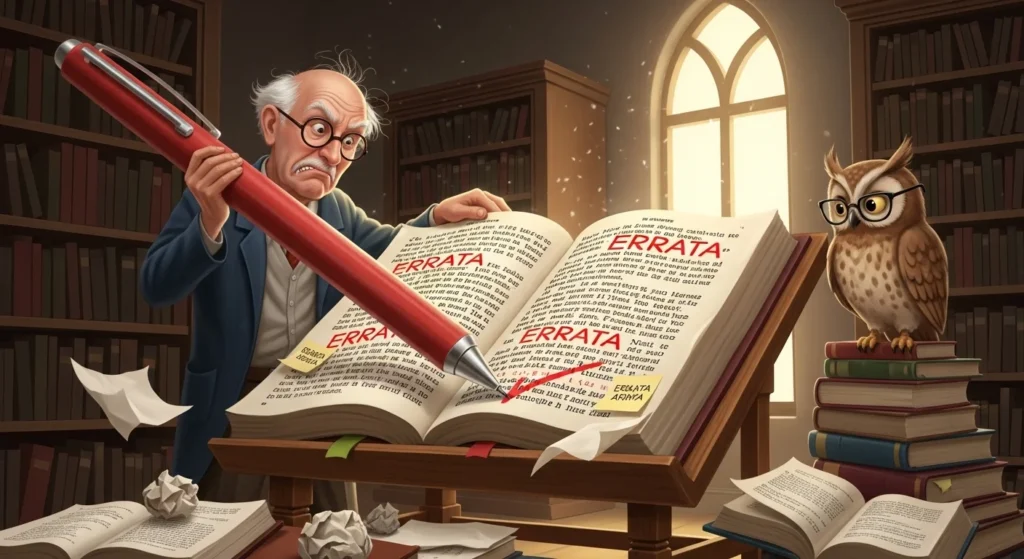
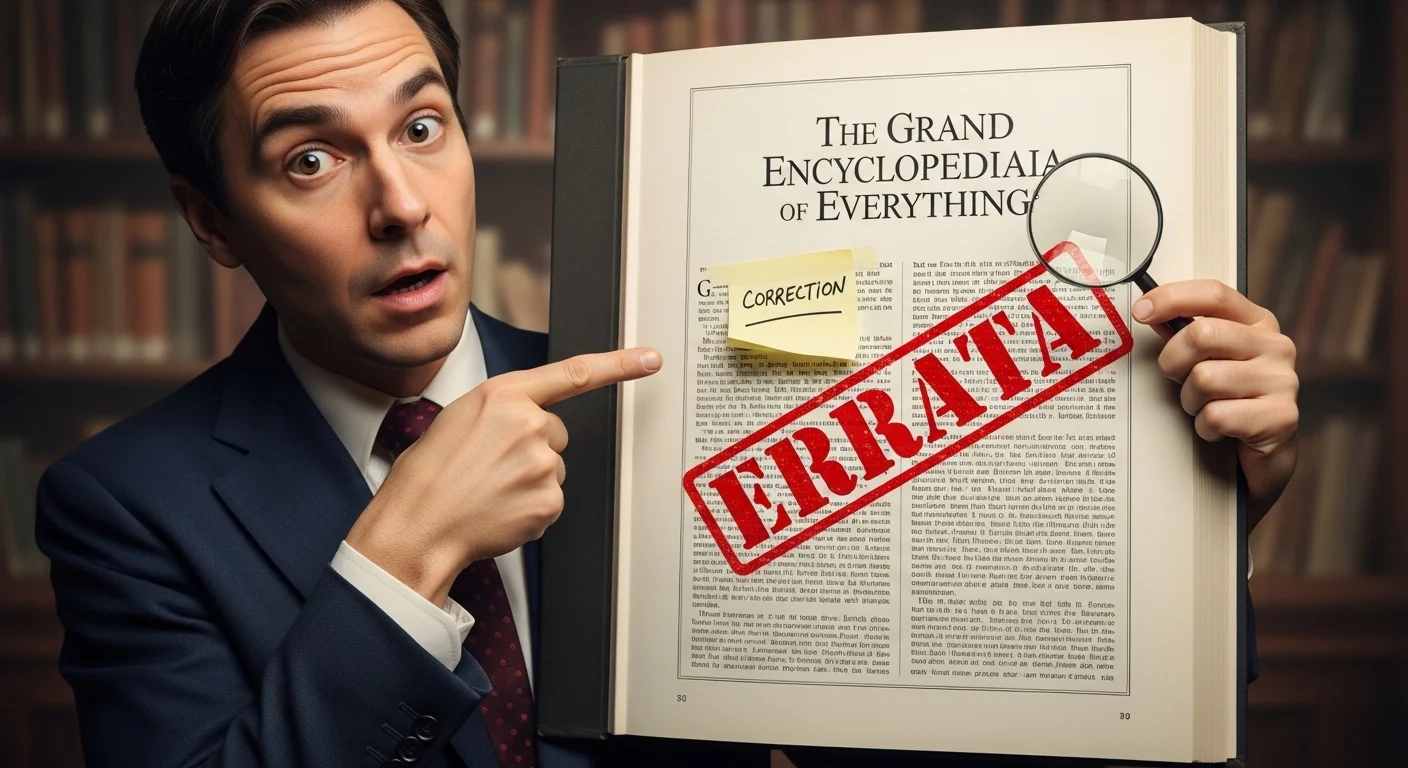
Errata meaning refers to a list of errors found in a printed or published document along with their corrections. It is commonly used in books, academic papers, official reports, and publications to fix mistakes such as spelling errors, incorrect data, or misprints. This helps maintain accuracy and ensures readers get the correct information.
Understanding errata meaning is important because it highlights how publishers correct mistakes after printing without changing the original content. You will often see an “errata sheet” attached to books or documents listing all corrections. In this guide, you’ll learn its meaning, origin, and usage in simple, easy-to-understand language across different contexts like publishing, law, and software.
Errata meaning in Urdu
Errata meaning in Urdu is عام طور پر “درستیاں” یا “تصحیحات” (tasheehaat) کے طور پر بیان کیا جاتا ہے۔ اس کا مطلب ایسی غلطیوں کی فہرست ہے جو کسی کتاب، دستاویز یا مطبوعہ مواد میں پائی جائیں اور بعد میں درست کی جائیں۔
یہ لفظ زیادہ تر تعلیمی کتابوں، رپورٹس، یا سرکاری اشاعتوں میں استعمال ہوتا ہے جہاں غلطیوں کی نشاندہی کر کے انہیں درست کیا جاتا ہے۔ مثال کے طور پر اگر کسی کتاب میں غلط تاریخ یا لفظ چھپ جائے تو اس کی اصلاح “errata” میں دی جاتی ہے۔
سادہ الفاظ میں، errata کا مطلب ایسی غلطیوں کی فہرست ہے جنہیں بعد میں درست کیا گیا ہو۔

Errata meaning in English
Errata meaning in English refers to a list of errors found in a printed document along with their corrections. It is commonly used in books, academic papers, and official publications.
The word is often placed at the end or beginning of a document to show mistakes that were discovered after printing. It helps maintain accuracy and transparency in published work.
In simple terms, errata means a correction list for printing errors.
Errata meaning in Latin
Errata meaning in Latin comes directly from the Latin word erratum, which means “error” or “mistake.” The plural form “errata” means “errors.”
This term has been used in publishing since early printing history to list corrections in books and manuscripts. Latin origin makes it a formal and widely accepted academic term.
In short, errata in Latin refers to multiple errors that need correction.
Errata meaning in legal terms
Errata meaning in legal terms refers to corrections made in legal documents, contracts, or official records after errors are identified.
These corrections do not change the intent of the document but fix typographical or factual mistakes. Courts and legal institutions may issue errata sheets to ensure accuracy in legal communication.
In simple terms, legal errata means official correction of mistakes in legal paperwork.
Errata meaning in software
Errata meaning in software refers to known bugs, errors, or issues in software documentation or released versions that are officially recorded and corrected later.
Software companies often publish errata lists to inform users about problems and updates. These may include fixes, patches, or version updates.
In short, software errata means documented software errors and their fixes.
Errata meaning music
Errata meaning music is sometimes used in music publishing to indicate corrections in musical scores or printed sheet music.
If a note, rhythm, or instruction is printed incorrectly, publishers issue errata to correct it. This ensures musicians perform the piece accurately.
Overall, in music, errata refers to corrections in written compositions or sheet music.
Errata pronunciation
Errata pronunciation is commonly pronounced as “eh-RAH-tuh” or “ih-RAH-tuh” depending on accent.
It is a Latin-derived word, so pronunciation may slightly vary in British and American English. The stress is usually placed on the second syllable.
In simple terms, errata is pronounced as “ih-RAH-tuh.”
Errata Cyberpunk
Errata Cyberpunk may refer to correction notes, updates, or error lists related to Cyberpunk-related content such as games, books, or media (for example Cyberpunk 2077 patches or documentation fixes).
In gaming contexts, errata can refer to official bug fixes, updates, or changes made after release to improve gameplay or correct issues.
In short, errata in Cyberpunk context means official corrections or updates to the original content.

What Does “Errata” Mean in Text or Writing?
Errata is the plural form of the Latin word erratum, which literally means “error” or “mistake.” In publishing and formal writing, errata refers to a list of errors and their corrections in a printed or digital work. Essentially, it’s a “corrections sheet” that authors or publishers provide after a work has been released.
Singular: erratum
Plural: errata
Different meanings based on context:
Books & Journals: Lists mistakes found after printing. Example: spelling errors, factual mistakes, or formatting issues.
Digital Content: Online articles, eBooks, or PDFs may include errata sections to clarify updated information.
Academic Papers: Errata in research papers often correct errors in data, tables, or references.
Brief origin/history:
The use of errata dates back centuries, originally appearing in printed books as publishers discovered mistakes after distribution. Today, errata are still common but also appear in digital formats, reflecting the ongoing importance of accuracy.
How People Use “Errata” in Real Conversations
While errata is formal, people do use it casually in certain contexts, especially in academic, professional, or publishing-related chats. Here’s how it’s used:
Platforms:
Texting or email between editors and authors
Academic forums or online research communities
Professional Slack or Discord channels for publishing teams
When it’s appropriate vs awkward:
Appropriate: “I noticed an errata in the new edition of the textbook.”
Awkward: Using it casually in everyday texting like, “Hey, here’s the errata on my weekend plans.” This sounds overly formal and out of place.
Casual explanation: Think of it like saying, “Oops, here’s the fix.” Professionals stick to the formal term, while in casual chats, people might just say “corrections” or “fixes.”
Real-Life Examples of “Errata” in Text Messages
Seeing errata in context makes it easier to understand. Here are some relatable examples:
Text from a professor:
“Please check the errata on page 42 before submitting your assignment.”
Explanation: The professor is pointing out corrections in the textbook.
Editor’s Slack message:
“We need to release an errata for the online article. The stats on slide 3 are wrong.”
Explanation: The editor is noting errors and requesting corrections.
Academic forum post:
“Does anyone have the errata for the 2025 edition of Modern Physics?”
Explanation: The poster is asking for a published list of corrections.
Email example:
“Attached is the errata sheet for the conference proceedings.”
Explanation: A professional, formal use showing which corrections were made.
Casual student chat:
“There’s a tiny errata in the assignment PDF. Don’t worry, just fix question 2.”
Explanation: Even students may borrow the term when clarifying small errors.
Common Mistakes & Misunderstandings
Even experienced readers sometimes misuse errata. Here are the most common pitfalls:
Confusing errata with typos: Errata refers to a list of errors, not the errors themselves. A typo is an individual mistake, while errata is the document listing all typos and corrections.
Wrong context: Using “errata” in casual texting with friends sounds overly formal. Stick to “corrections” in informal conversations.
Singular vs plural mix-ups: Remember, one correction is an erratum, multiple are errata.
Related Slangs & Abbreviations
While errata isn’t slang per se, some related terms in digital and academic circles include:
TL;DR: “Too long; didn’t read” — sometimes used in errata explanations for long documents.
Correction: Casual synonym for errata in emails or forums.
Update: A more modern, digital-friendly term replacing formal errata lists.
Amendment: Used in legal or formal documents for corrections, similar to errata.
FAQs About Errata
1. What is the difference between errata and a typo?
A typo is a single error in a text. Errata is a list of all errors and their corrections, usually published after the text is released.
2. Can errata be digital?
Yes. Many online publications, eBooks, and PDFs include digital errata sections for easy updates.
3. Is errata singular or plural?
Errata is plural. The singular form is erratum.
4. Do all books have errata?
Not necessarily. Only books with discovered post-publication errors include errata, though digital content often updates automatically instead.
5. How do I use errata in a sentence?
You can say, “Check the errata for the latest edition to see the corrections.” It’s commonly used in formal or academic contexts.
Conclusion
Understanding errata meaning is essential if you read, write, or edit books, articles, or digital content. It helps you interpret corrections, stay accurate, and avoid misunderstandings. Remember, it’s a formal term primarily used in publishing, research, and professional settings, but it can occasionally appear in casual student or editor chats.
By learning how to use errata correctly, you can confidently navigate texts and online content without confusion.
What’s your favorite chat abbreviation? Drop it in the comments!